

Moving to Gastonia NC: Essential Tips for New Residents in 2026
Moving to Gastonia NC in 2026 places new residents in one of Gaston County’s fastest-growing hubs, with a population around 81,000 as of 2023, according to U.S. Census Bureau estimates. The city’s position along Interstate 85, roughly 20 miles west of Uptown Charlotte, offers both suburban comfort and regional access. Understanding neighborhoods near Franklin Boulevard, Union Road, and New Hope Road, along with local schools, parks, and healthcare, helps new arrivals make confident decisions about daily life and long‑term housing plans.
What should new residents know about Gastonia’s neighborhoods and layout?
Anyone moving to Gastonia NC will quickly encounter distinct corridors such as East Franklin Boulevard, West Franklin Boulevard, and the historic downtown around South Street and West Main Avenue. According to Walk Score, central Gastonia posts a walk score near 40, while more suburban stretches off Hudson Boulevard and Union Road remain car‑dependent. The FUSE District around CaroMont Health Park, home of the Gastonia Honey Hunters, blends new apartments, restaurants, and entertainment with renovated mill buildings like the historic Loray Mill.
Neighborhoods near Lineberger Park, Rankin Lake Park, and the Catawba Creek Greenway appeal to residents seeking green space within about 2 to 3 miles of downtown. West Gastonia, off Airline Road and North Carolina Highway 7, includes established streets with mid‑century homes. South Gastonia, near Union Road and Robinwood Road, offers subdivisions close to Forestview High School and Martha Rivers Park. Each area presents different commute times, school options, and housing ages, so mapping daily routines often clarifies which side of town fits best.
According to neighborhood market snapshots from Redfin, many Gastonia neighborhoods feature a majority of single‑family homes, with townhomes and small condo communities sprinkled along Cox Road and near Eastridge Mall. Typical listing prices span a wide range, from starter houses below $250,000 in older subdivisions to newer construction that can exceed $450,000 in certain pockets as of late 2025. Limited multifamily buildings mean those seeking denser, urban‑style living often concentrate around downtown’s renovated lofts.
How does the housing market and cost of living compare in 2026?
For households moving to Gastonia NC from higher‑priced metros, relative affordability stands out. According to Zillow, Gastonia’s typical home value remained in the broad band between roughly $260,000 and $320,000 through late 2025, notably below nearby Charlotte’s averages. Rent data from RentCafe places many Gastonia apartments in the approximate range of $1,100 to $1,400 per month, depending on size and location. Those figures help many residents stretch budgets further while staying within commuting distance of larger employment centers.
Late afternoons along Franklin Boulevard near Eastridge Mall often bring a mix of traffic hum, restaurant aromas, and neon reflections on freshly paved lanes. The sizzling scent from grills at local spots on East Franklin blends with the sweetness drifting from nearby bakeries, while the glow of storefront signs bathes sidewalks in soft color. Inside renovated lofts at Loray Mill, exposed brick and cool concrete floors contrast with warm sunlight filtering through tall windows, giving living spaces a textured, tactile character.
Cape Cod, ranch, and traditional two‑story homes dominate many streets off Gaston Day School Road, with some brick houses dating back more than 40 years. Newer subdivisions off Hoffman Road and Neal Hawkins Road often feature open‑concept layouts and energy‑efficient systems. According to U.S. Department of Energy guidance, efficient upgrades can cut utility costs by around 10% to 30%, a meaningful factor when comparing older and newer homes. Property tax levels in Gaston County generally sit below those in some nearby urban counties, further shaping total monthly housing expenses.
Which schools and educational resources serve families in Gastonia?
Families moving to Gastonia NC often start planning around local campuses in Gaston County Schools. High schools such as Ashbrook High School on Redbud Drive, Hunter Huss High School off Circle Avenue, and Forestview High School near Union Road anchor three major attendance zones. According to GreatSchools, Ashbrook High posts a rating around the mid‑range on its 10-point scale, with particular strengths noted in certain college readiness metrics, while individual program performance can vary by subject and year.
Elementary options include Sherwood Elementary on Sherwood Drive, Gardner Park Elementary off New Hope Road, and Woodhill Elementary near South New Hope Road, each feeding into different middle and high schools. Magnet and choice programs within Gaston County Schools, along with charter options in surrounding communities like Belmont and Mount Holly, broaden the menu. Gaston Christian School along South New Hope Road provides a private school alternative. For post‑secondary education, Gaston College’s Dallas campus, about 8 miles from downtown Gastonia, offers associate degrees and workforce training tied closely to regional employers.
According to profile data from Niche, average SAT and ACT participation rates in the broader district hover within typical North Carolina ranges, while student‑teacher ratios often fall between roughly 15:1 and 18:1 depending on school and year. Those metrics, combined with proximity to parks like Martha Rivers Park and Lineberger Park, help many households balance academic priorities with outdoor recreation and after‑school activities.
What lifestyle amenities, parks, and healthcare options stand out?
Parks and trails play a significant role for many moving to Gastonia NC. Rankin Lake Park, northwest of downtown off Rankin Lake Road, features a scenic lake, walking loop, and boat rentals within about 5 miles of most central neighborhoods. Lineberger Park near Garrison Boulevard offers a splash pad, playgrounds, and tree‑shaded lawns. Farther south, Martha Rivers Park off Robinwood Road provides multi‑field sports complexes and walking paths. The Catawba Creek Greenway connects several of these spaces, giving residents a continuous corridor for jogging and cycling.
Weekend evenings at the FUSE District around CaroMont Health Park bring a low rumble of crowd noise, the crack of bats, and the scent of popcorn drifting onto Trenton Street. Strings of lights above outdoor patios near Loray Mill reflect in car windows, while live music spills from nearby venues and mingles with the hiss of food trucks along West Main Avenue. Cool breezes skim across open seating areas, carrying hints of grilled barbecue and roasted peanuts toward Rotary Centennial Pavilion downtown.
Healthcare access centers on CaroMont Regional Medical Center on North New Hope Road, one of Gaston County’s largest employers. According to CaroMont Health, the hospital includes more than 400 beds and a broad range of specialty services. Additional clinics line Cox Road and Court Drive, placing urgent care and primary care within about 10 to 15 minutes of many neighborhoods. Cultural amenities such as the Schiele Museum of Natural History on Garrison Boulevard and the Gaston County Museum in nearby Dallas deepen educational and recreational options.
How do commuting, transportation, and daily logistics function in Gastonia?
Commuting patterns strongly influence decisions for those moving to Gastonia NC. Interstate 85 provides the primary east‑west artery, with exits at Cox Road, New Hope Road, and Ozark Avenue feeding different parts of the city. According to U.S. Census commuting data, average one‑way commutes in many Charlotte‑area suburbs often fall between roughly 25 and 30 minutes, though rush‑hour backups near the Catawba River can extend times. Residents working in Uptown Charlotte typically budget at least 35 to 45 minutes each way during peak periods.
Gastonia Transit operates fixed bus routes connecting downtown Gastonia, Eastridge Mall, Franklin Square shopping centers, and residential zones near South New Hope Road and Union Road. Schedules remain more limited than in larger metros, so many households maintain at least one vehicle. Charlotte Douglas International Airport lies roughly 17 to 20 miles east via I‑85, keeping most flights within a 25- to 35-minute drive outside heavy traffic. Bicycle use continues to expand along the Catawba Creek Greenway and neighborhood streets feeding into downtown.
Daily errands typically revolve around corridors such as Franklin Boulevard, Cox Road, and New Hope Road, where major grocers, pharmacies, and big‑box retailers cluster. According to store locators aggregated by regional grocery chains, multiple supermarkets sit within about 3 to 6 miles of many subdivisions in south and east Gastonia. Local restaurants line West Main Avenue downtown and surround Franklin Square, while specialty shops increasingly occupy renovated storefronts near Gastonia City Hall and the Gaston County Courthouse.
The 81,000 residents statistic cited at the start of this guide reflects a city large enough to support diverse amenities yet compact enough for cross‑town access within minutes rather than hours. That figure from the U.S. Census Bureau underscores how Gastonia balances small‑city familiarity with regional connectivity along Interstate 85. The Canopy Realtor Association market tools, including Canopy MLS data, offer detailed insight into listing trends and inventory shifts across Gaston County neighborhoods. Prospective buyers who register listing alerts through Canopy MLS and schedule property tours within 48 hours of promising listings before the spring 2026 activity surge frequently secure stronger positions in competitive negotiations. Households that delay monitoring new inventory until after late‑spring contract peaks often confront reduced options and heightened competition for the most desirable homes in and around Gastonia.
FROM OUR BLOG

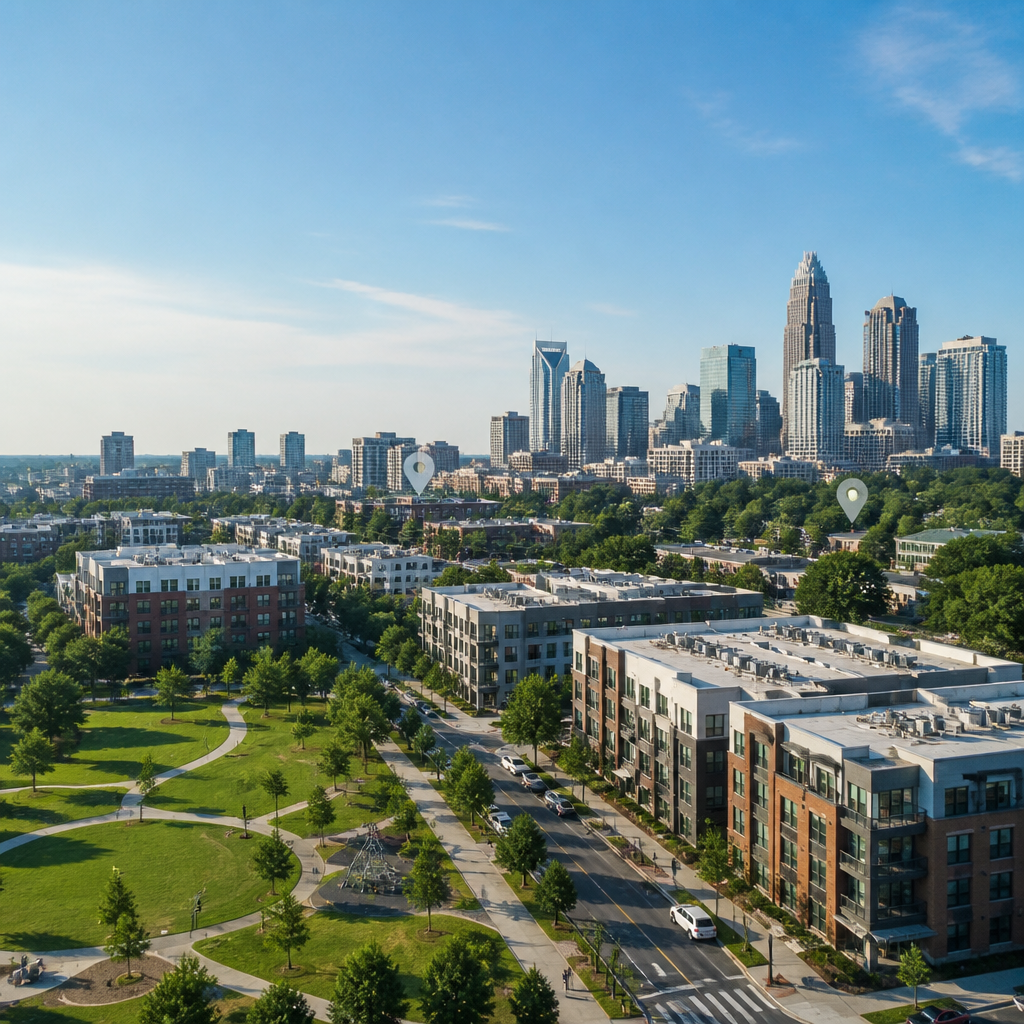
Discover Charlotte NC Homes for Sale: Your 2026 Buying Guide
Discover Charlotte NC Homes for Sale: Your 2026 Buying Guide Charlotte’s skyline, from uptown along Tryon Street to South End, reflects a city growing at remarkable speed. According to U.S. Census data through 2023, Charlotte’s population increased by roughly 24% since 2010, fueling demand across al
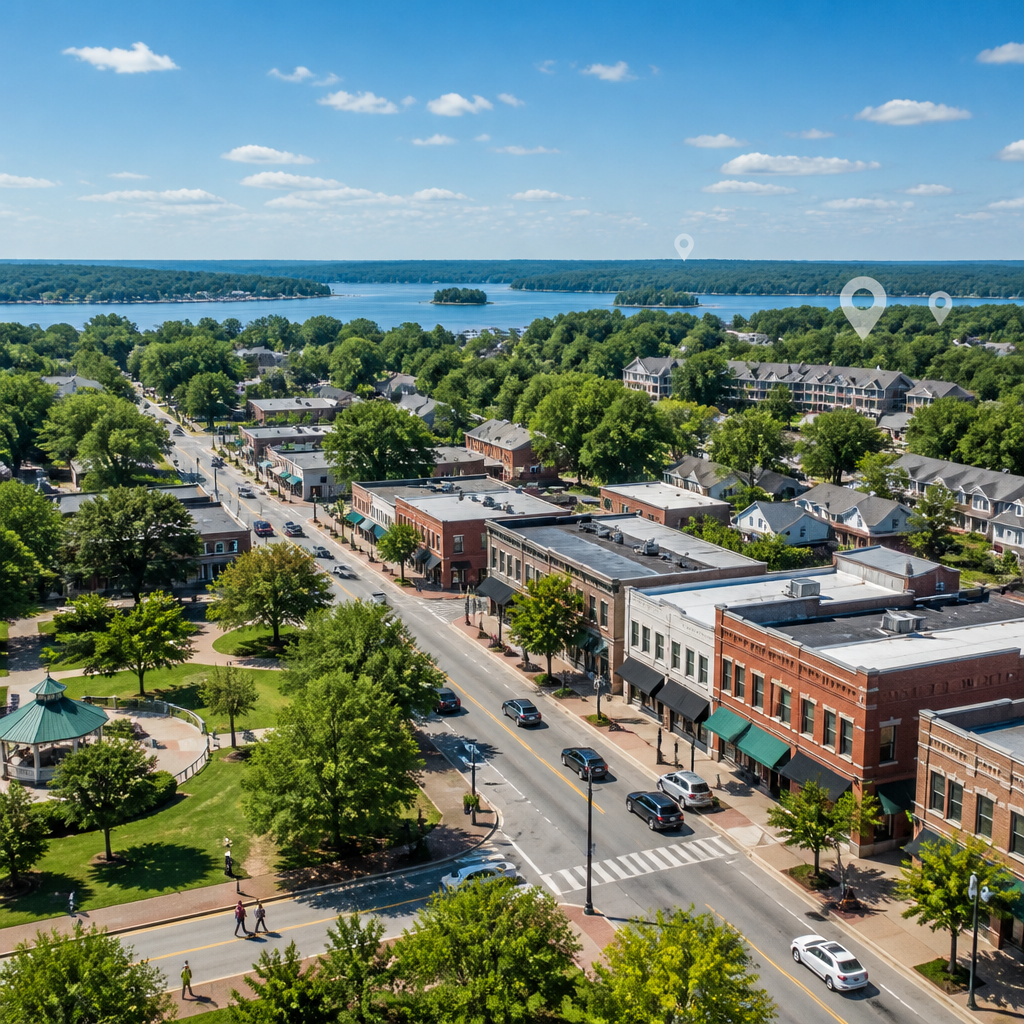
First-Time Home Buyer in Mooresville NC: A Complete Guide for 2026
First-Time Home Buyer in Mooresville NC: A Complete Guide for 2026 Becoming a Mooresville NC first-time home buyer in 2026 requires clear planning, especially as demand around Lake Norman increases. Many financial planners suggest reserving at least three to six months of expenses before committing